We stepped out of the train station in Jerez onto wide, white sidewalks—modern, engineered, and indented for reasons I couldn’t guess. The sky had begun to darken, the air hinting at rain. We walked faster, hoping to reach an apartment we’d never seen before. But we were deceived—not by the sky, but by the sidewalks.
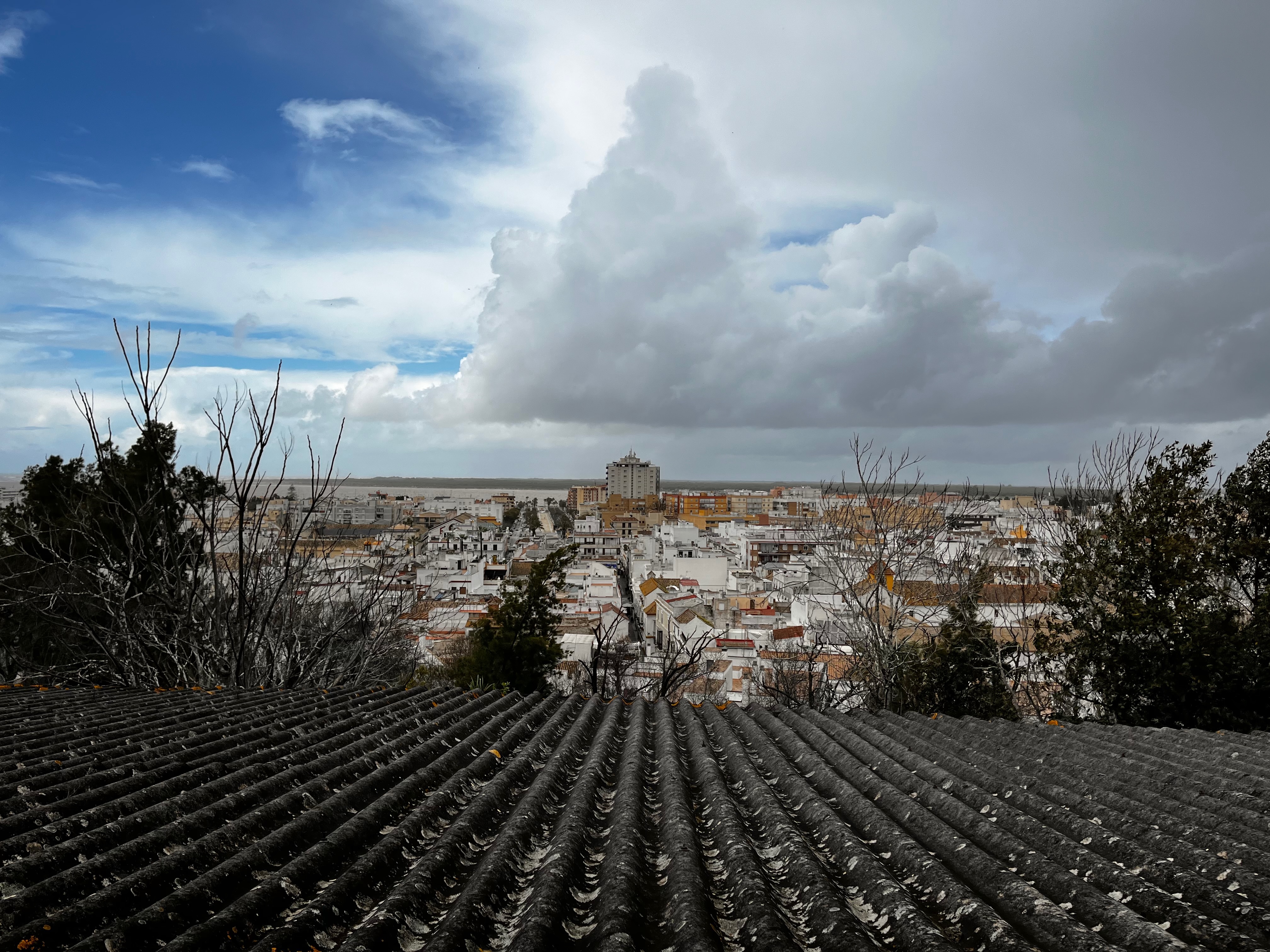
Those bright walkways soon narrowed into gray concrete ribbons so slim we could no longer walk side by side without brushing against others. Then came the cobblestones, demanding full attention: their unevenness, the subtle shifts in elevation, the rounded stones pressing through the soles of our shoes. The streets grew narrower still, and we had to dodge the side mirrors of passing cars. There is no mindless wandering in Jerez, where cobblestones can trip you and car mirrors can leave you with tennis elbow.
In Jerez, deception hides around every corner. A cramped street opens suddenly into a sunlit plaza. We were startled to find a Mercadona supermarket inside an old sherry cathedral. The city holds an interior life that reveals itself slowly, piece by piece.
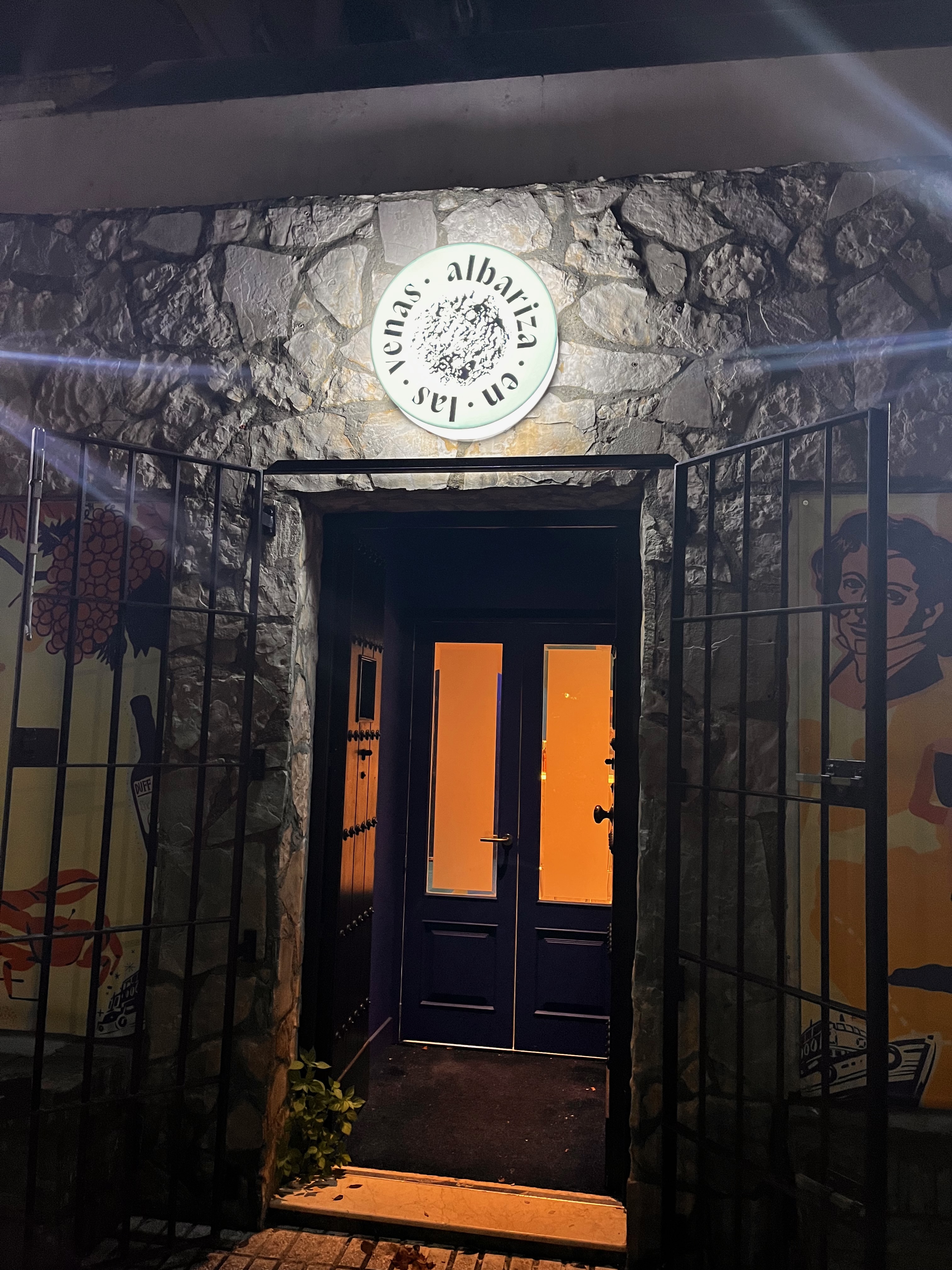
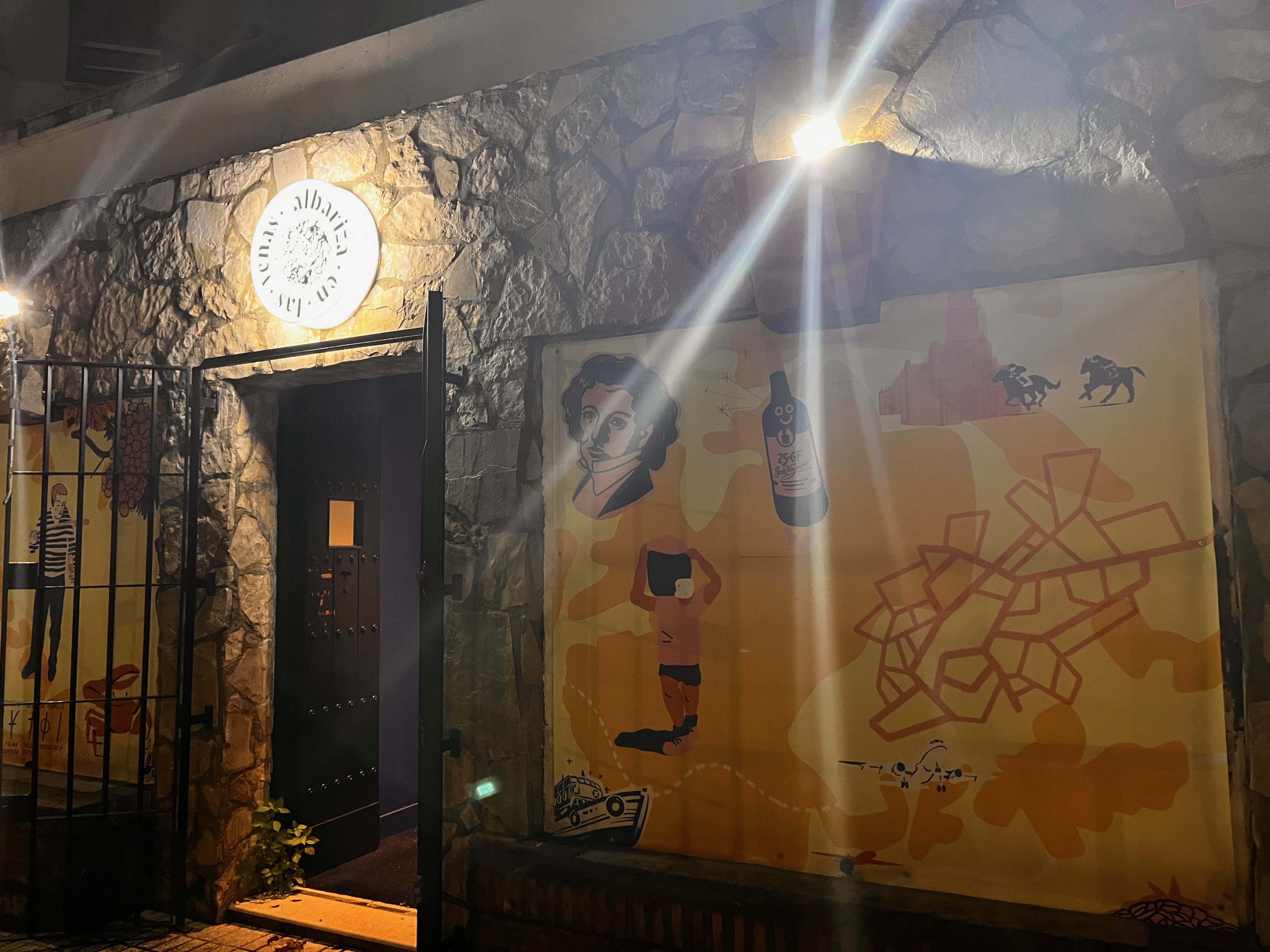
I first heard of Albariza en las Venas from an importer. The phrase means “albariza in the veins.” Albariza, a chalky white soil, defines the region—it nourishes many of its wines, most famously sherry. To say one has albariza in the veins is to say the land, the wine, and the history flow through you.
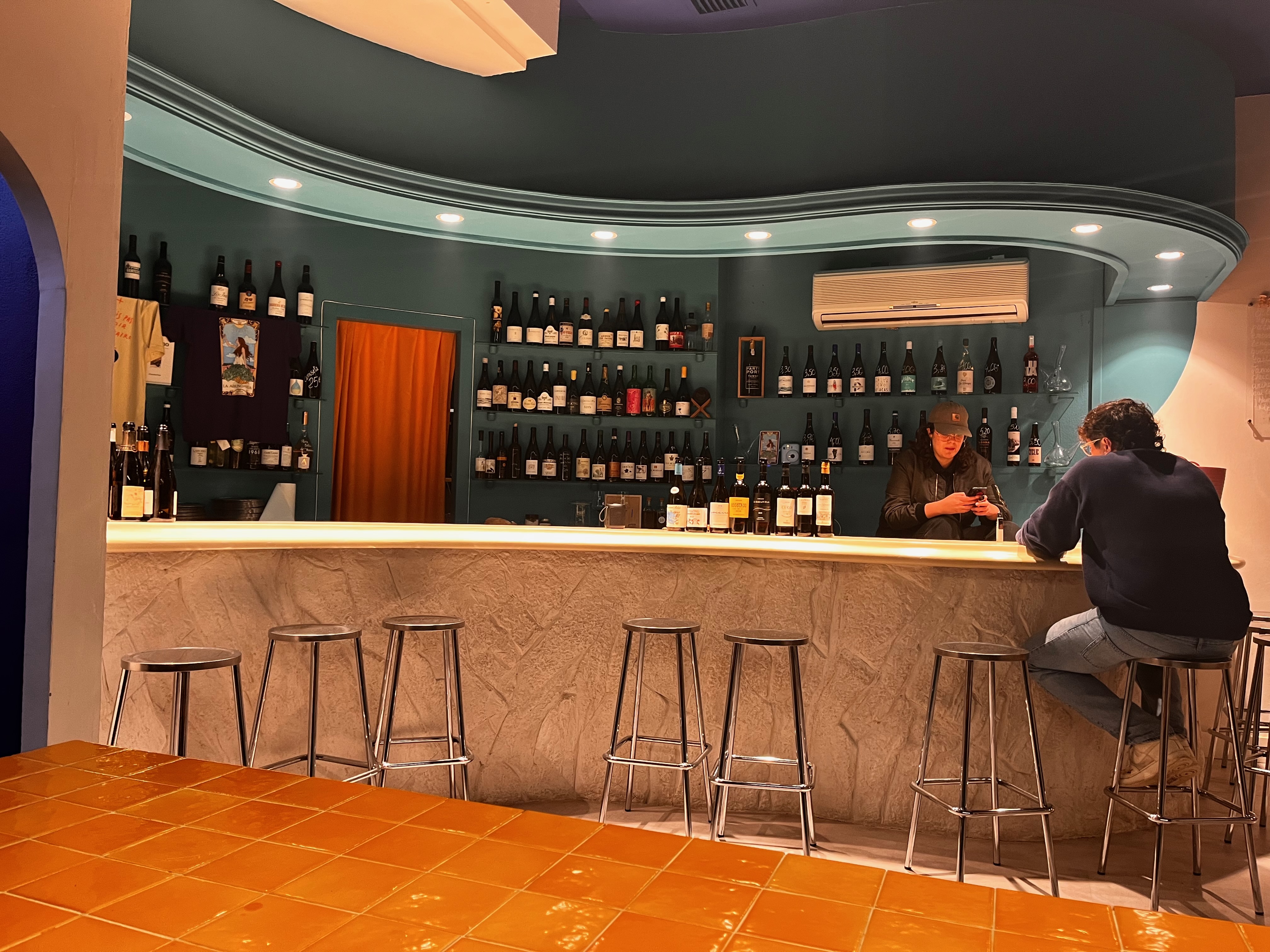
If you passed Albariza itself, you might not think to go in. It doesn’t announce itself as a wine bar—or even as a bar at all. I’d call it a bookstore, except that the shelves hold bottles instead of books, and the tables have been replaced with stools.
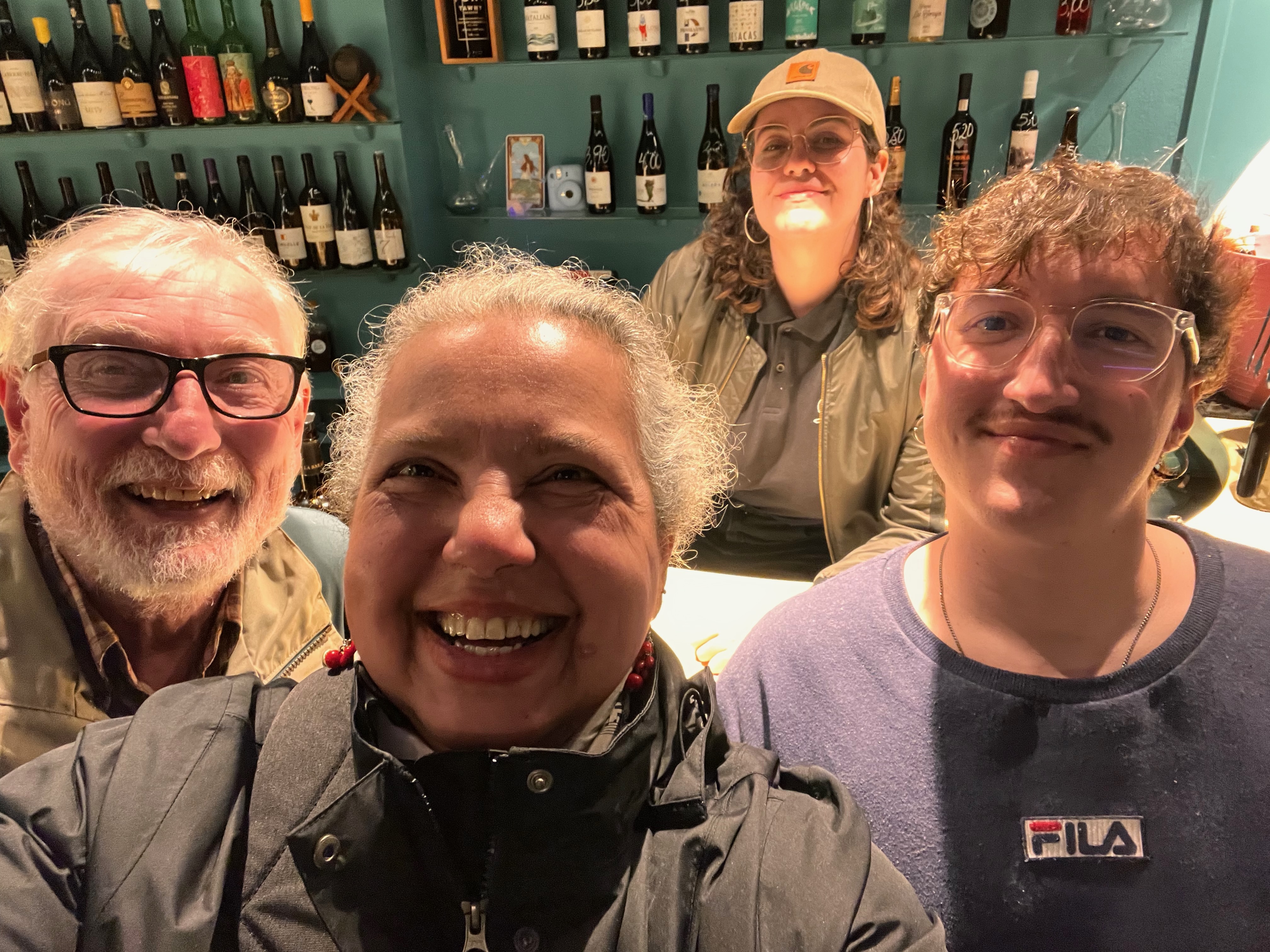
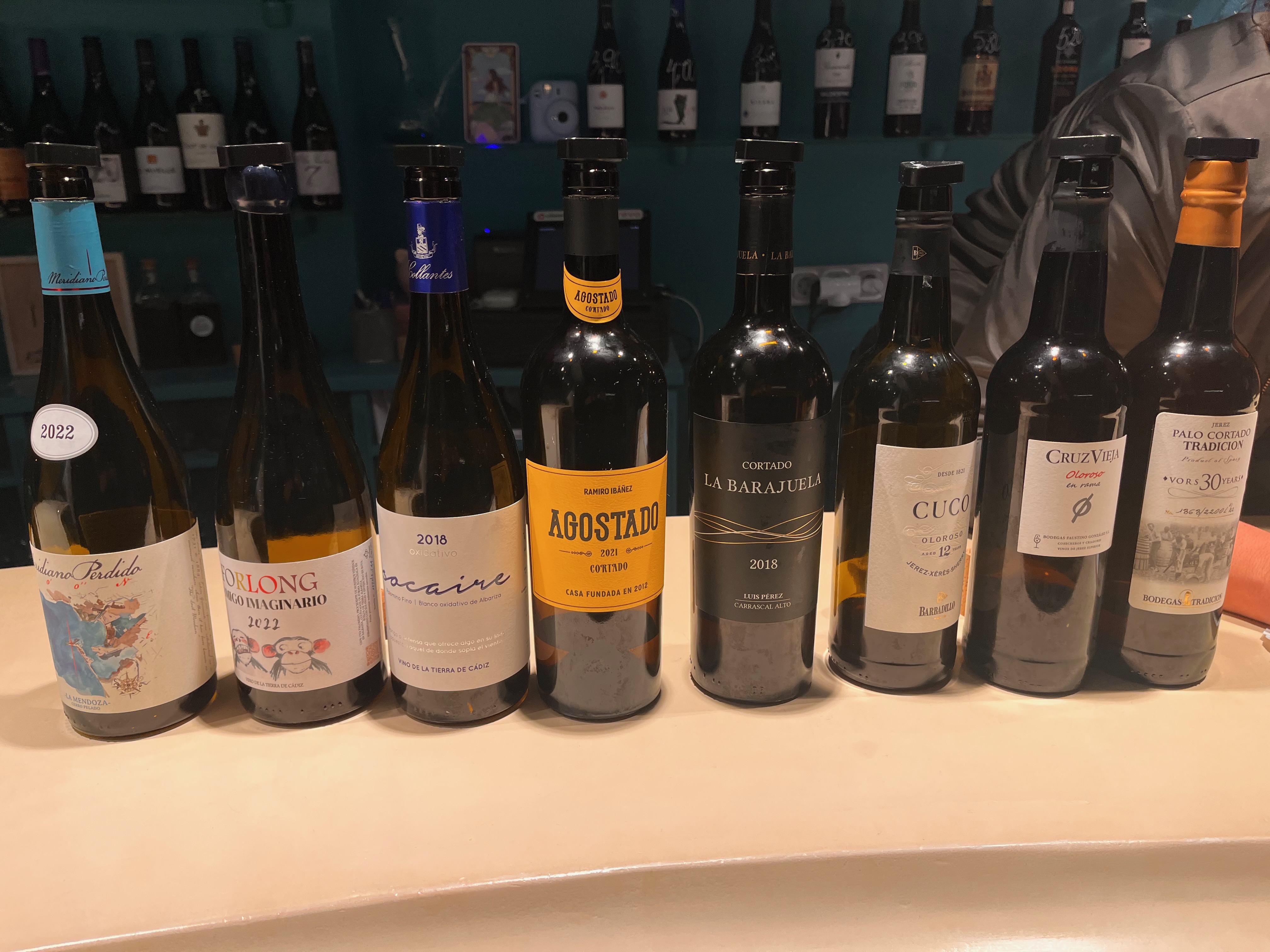
Rocío and Juan Carlos, the proprietors, greeted us as though we were old friends returning after years away. When Juan Carlos asked what I wanted to drink, I left it to him. He mentioned they’d hosted a tasting earlier that day—would I like to try it? Of course I would.
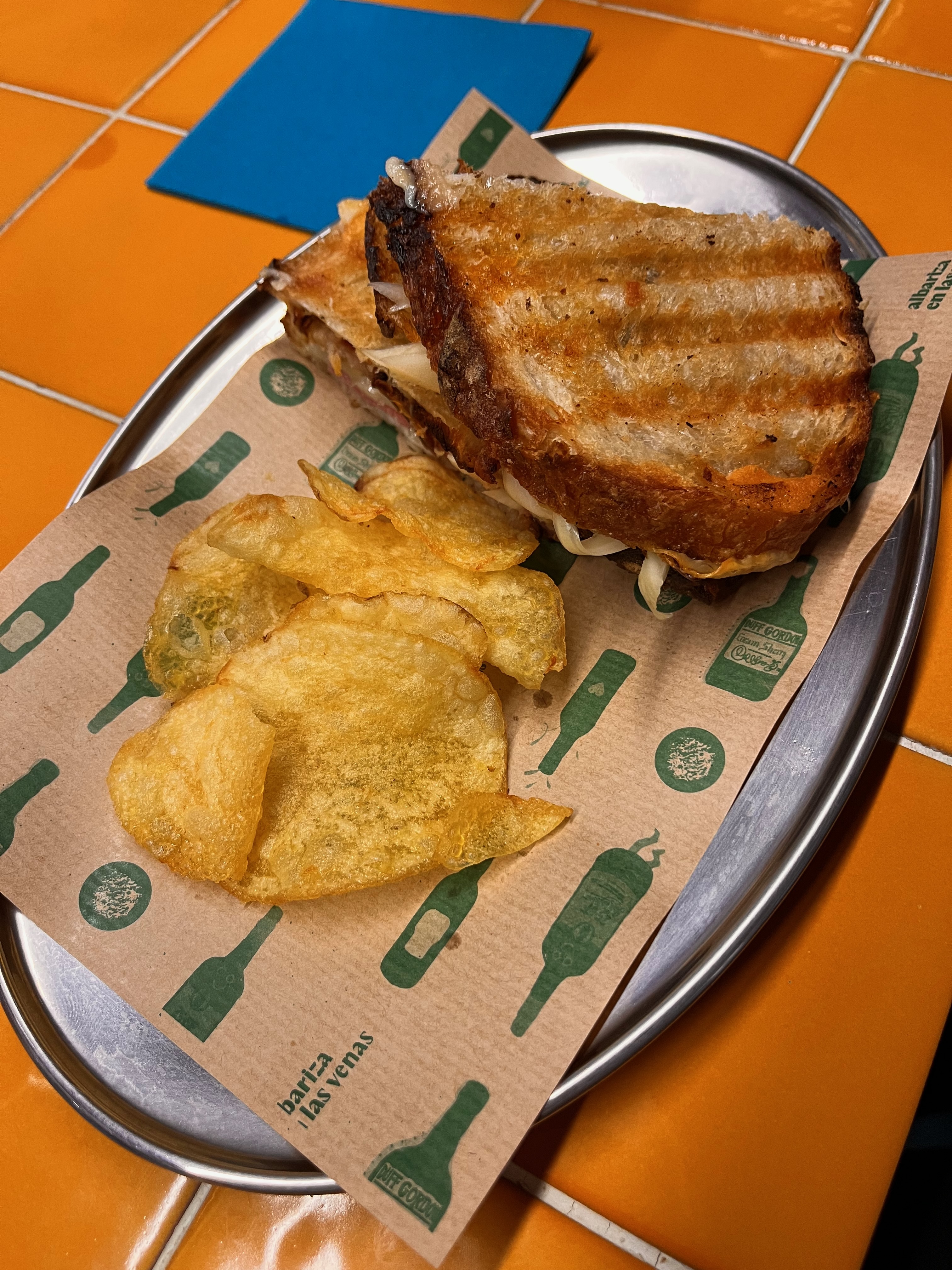
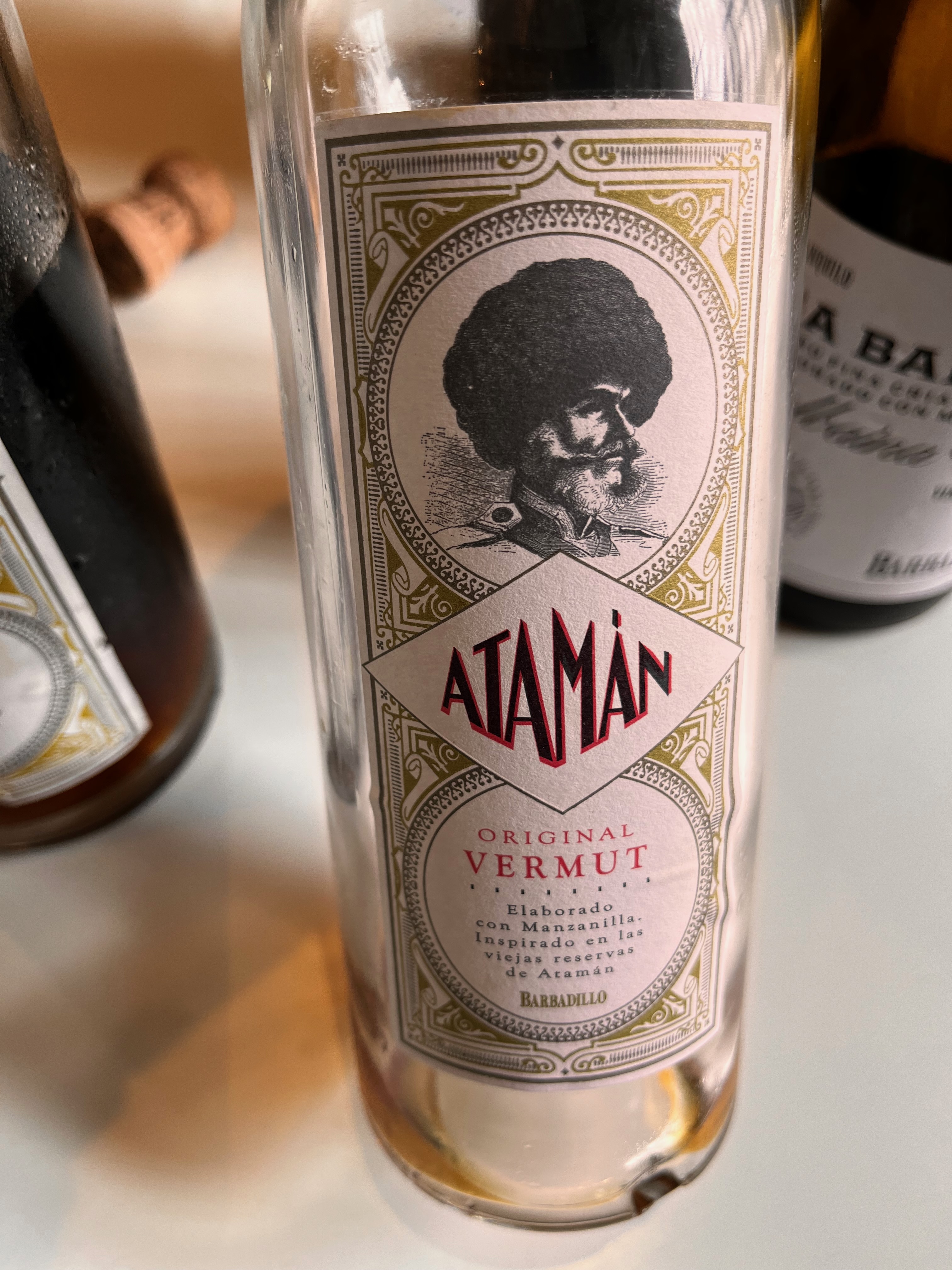
Like Jerez itself, Albariza is full of discoveries. Once synonymous with sherry, the city today embraces much more: non-fortified wines, wines aged lightly under veil, vermut, and food that feels both traditional and new.
I didn’t take notes on the wines that day—only photos. Sometimes you can’t stop to process; you just have to be there, tasting, talking, moving through it all as it happens.
Jerez deserves more than a quick stop. It deserves more than a tour of its bodegas. It deserves to be walked. To hear flamenco drifting from an open door. To stand beneath the orange trees outside the cathedral. There’s a younger generation shaping this city now, giving it a warmth and welcome that make you want to stay.
 Drinknowledge