Monday Tasting Notes: Albariza en las Venas

We stepped out of the train station in Jerez onto wide, white sidewalks—modern, engineered, and indented for reasons I couldn’t guess. The sky had begun to darken, the air hinting at rain. We walked faster, hoping to reach an apartment we’d never seen before. But we were deceived—not by the sky, but by the sidewalks.

Those bright walkways soon narrowed into gray concrete ribbons so slim we could no longer walk side by side without brushing against others. Then came the cobblestones, demanding full attention: their unevenness, the subtle shifts in elevation, the rounded stones pressing through the soles of our shoes. The streets grew narrower still, and we had to dodge the side mirrors of passing cars. There is no mindless wandering in Jerez, where cobblestones can trip you and car mirrors can leave you with tennis elbow.

In Jerez, deception hides around every corner. A cramped street opens suddenly into a sunlit plaza. We were startled to find a Mercadona supermarket inside an old sherry cathedral. The city holds an interior life that reveals itself slowly, piece by piece.

I first heard of Albariza en las Venas from an importer. The phrase means “albariza in the veins.” Albariza, a chalky white soil, defines the region—it nourishes many of its wines, most famously sherry. To say one has albariza in the veins is to say the land, the wine, and the history flow through you.

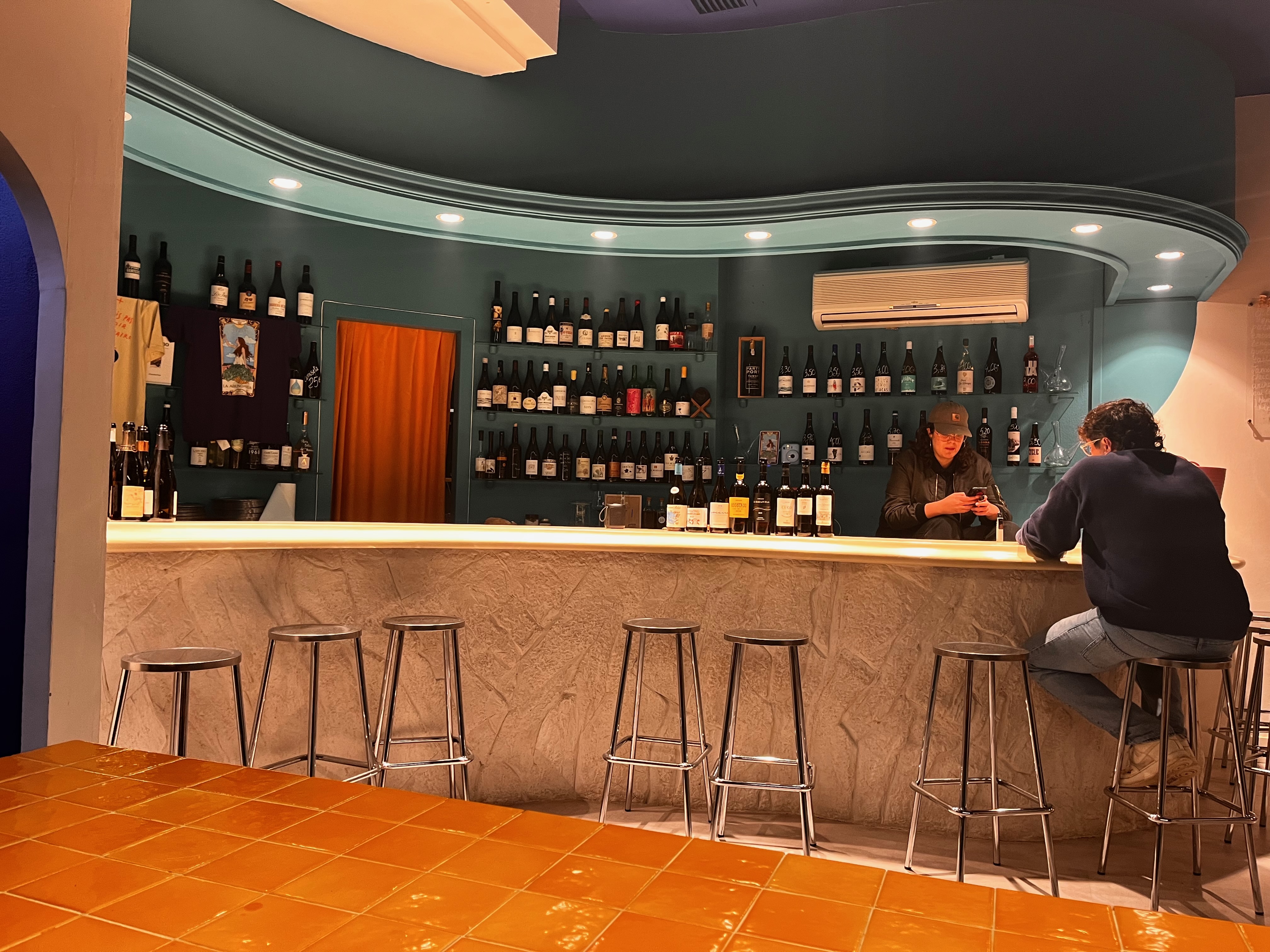
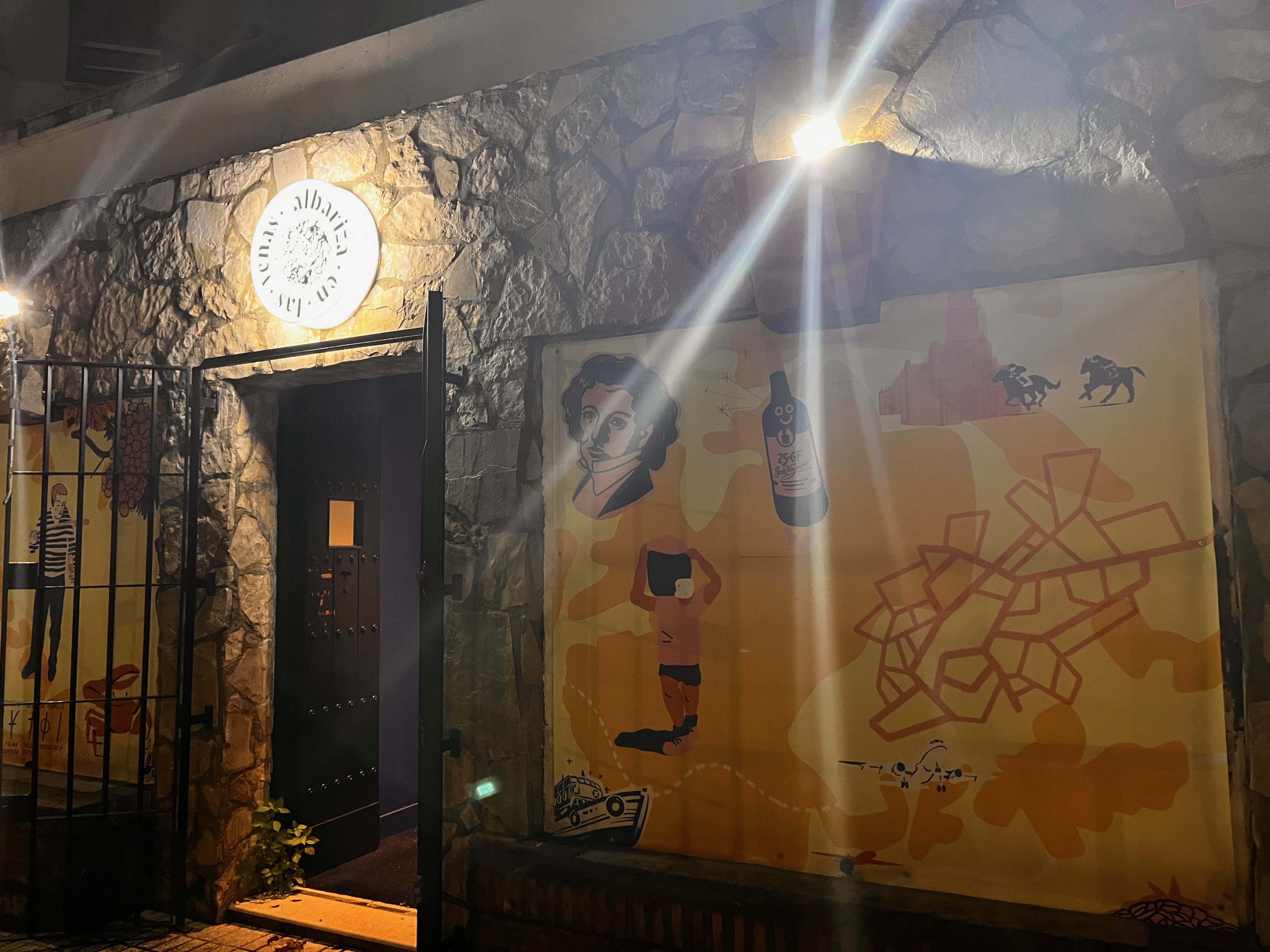
If you passed Albariza itself, you might not think to go in. It doesn’t announce itself as a wine bar—or even as a bar at all. I’d call it a bookstore, except that the shelves hold bottles instead of books, and the tables have been replaced with stools.

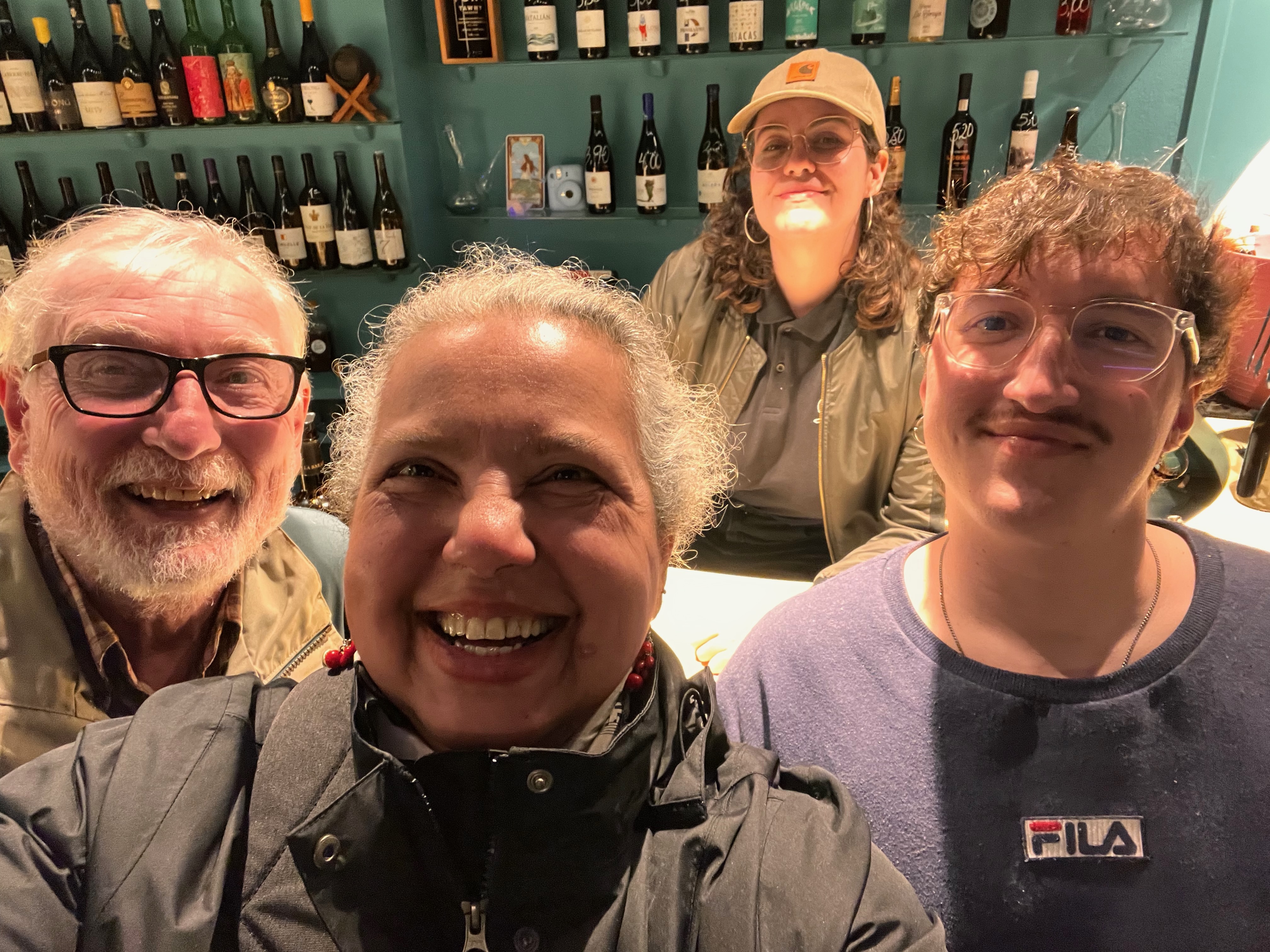
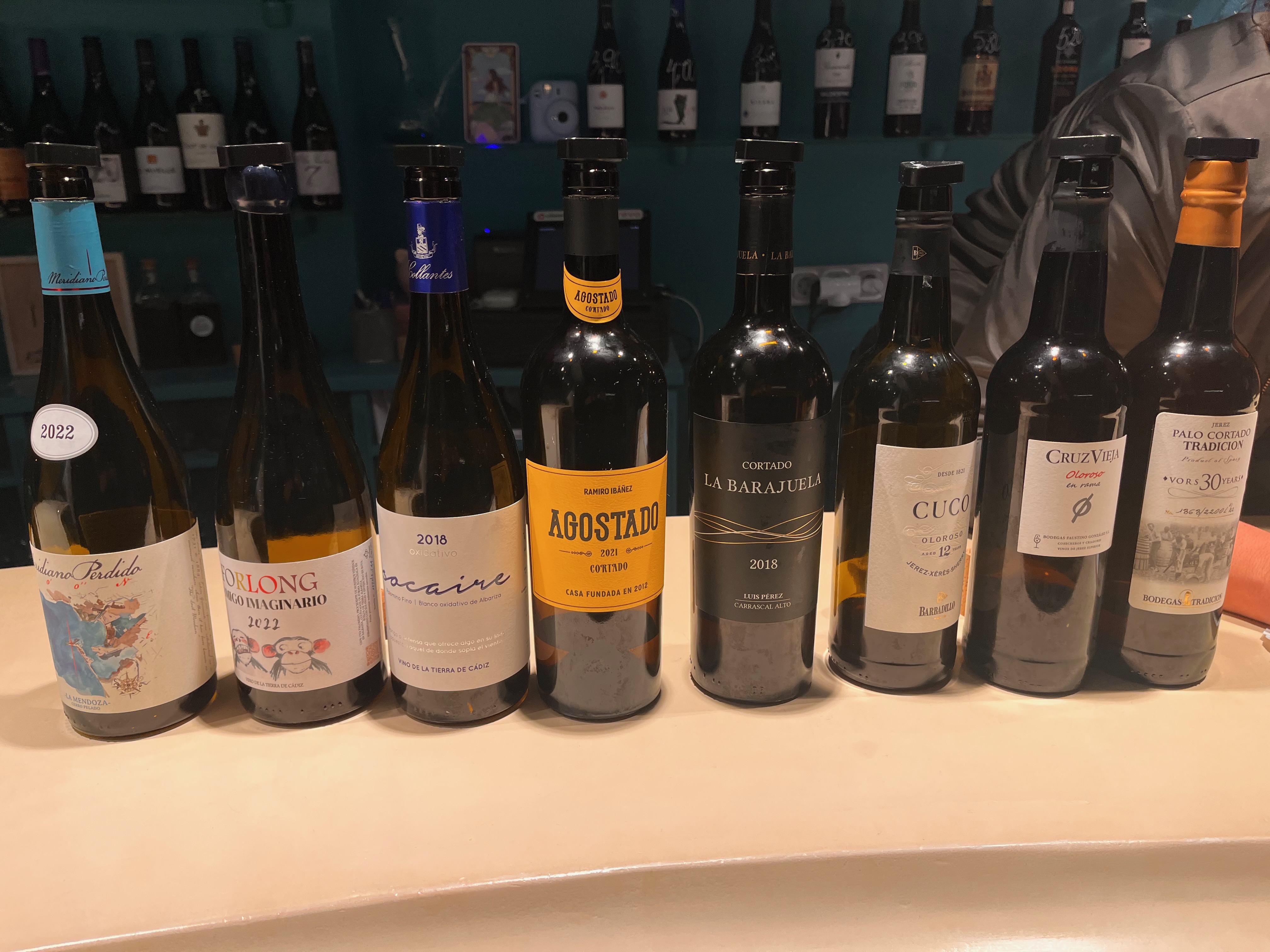
Rocío and Juan Carlos, the proprietors, greeted us as though we were old friends returning after years away. When Juan Carlos asked what I wanted to drink, I left it to him. He mentioned they’d hosted a tasting earlier that day—would I like to try it? Of course I would.

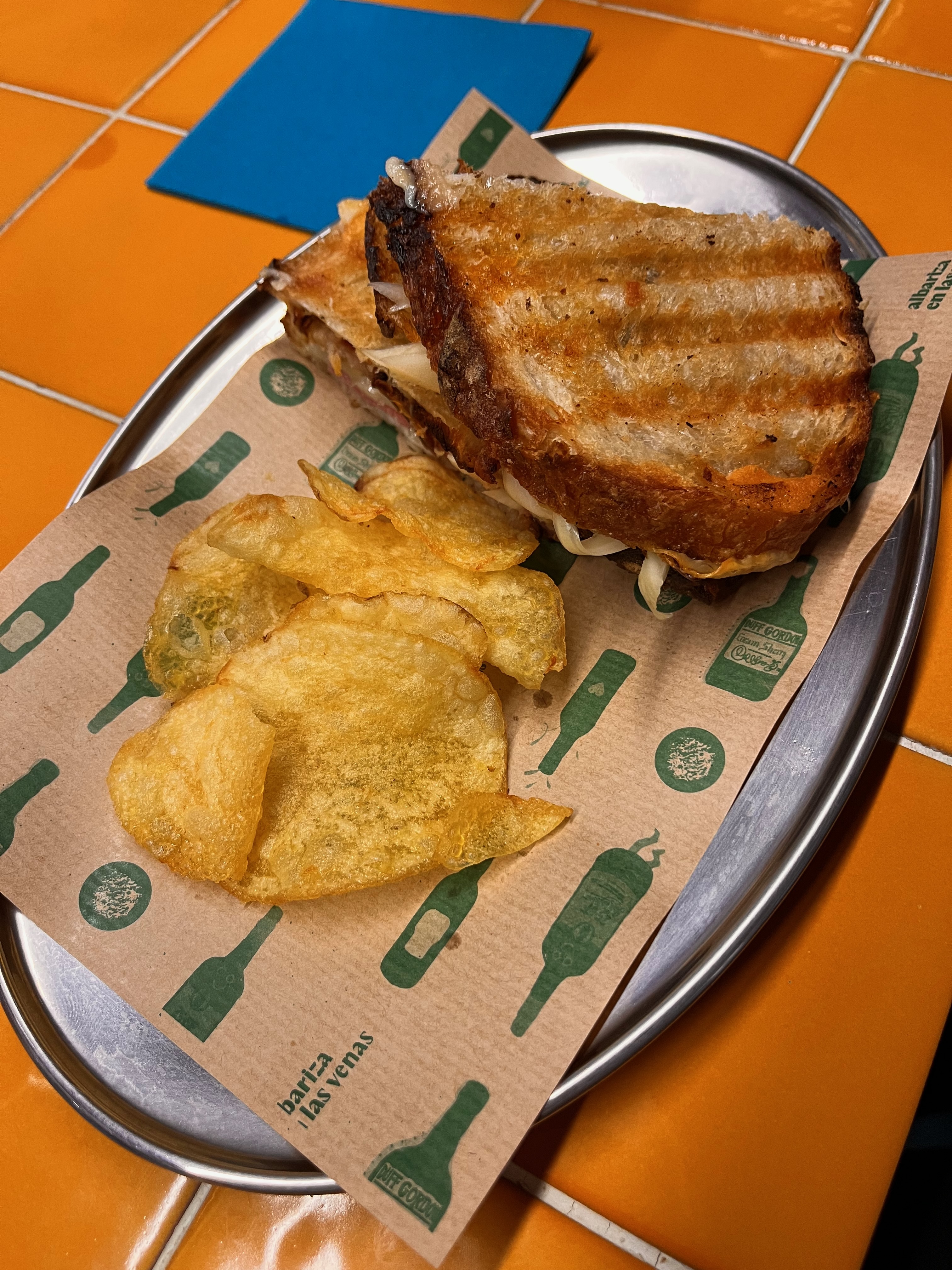
Like Jerez itself, Albariza is full of discoveries. Once synonymous with sherry, the city today embraces much more: non-fortified wines, wines aged lightly under veil, vermut, and food that feels both traditional and new.

I didn’t take notes on the wines that day—only photos. Sometimes you can’t stop to process; you just have to be there, tasting, talking, moving through it all as it happens.

Jerez deserves more than a quick stop. It deserves more than a tour of its bodegas. It deserves to be walked. To hear flamenco drifting from an open door. To stand beneath the orange trees outside the cathedral. There’s a younger generation shaping this city now, giving it a warmth and welcome that make you want to stay.

Monday Tasting Notes: Sanlucar/Barbadillo

Sanlucar de Barrameda is not the kind of town that shouts “welcome”. It may not even feel like you are being welcomed at all. The bus station is quiet with only the woman at the concession stand. It looked like nothing much was going on. Perhaps it was because mid-March is not exactly high tourism season. 

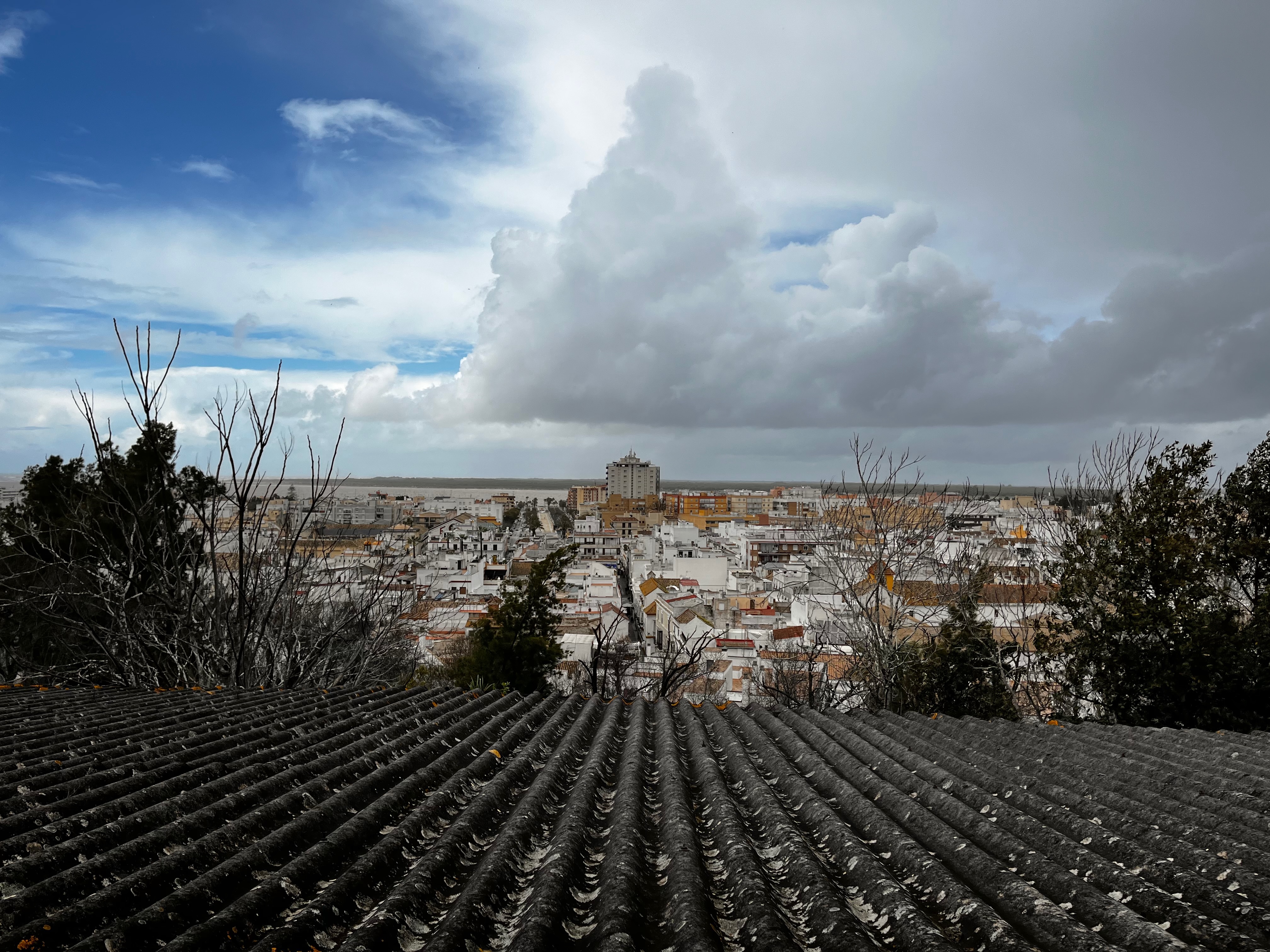
Sanlucar sits at the mouth of the Guadalquivir river on the Bay of Cadiz on the Atlantic Ocean. We arrived in the morning while things were still closed. Meandering down to the beach we reached the boardwalk. The national preserve Doñana is a short ferry ride away. I love towns in the morning before all of the activity starts. We passed people walking their dogs as the day started to warm up. We met an English speaking couple from the UK and we chatted a bit which pleased my husband since he does not speak Spanish.

Later on we visited Barbadillo* which is an old house that has been revitalized. The extensive tour and the tasting we did included a variety of wines. Non-fortified wines from the Cadiz seem to be everywhere and so was the excitement around them.  You could spend a lot of time in this region and never taste a wine from outside of this area. I highly recommend visiting Sanlucar and the entire region surrounding Jerez de la Frontera.

1a Manzanilla Ecologica Salicornia 1/27
Clean white wine that is closer to wine and not fortified. Wild fermentation. About three years in bottle.

2a Manzanilla Solear 1/1086
To final stage primera clase. Really generous but shart with typical finish. About six years old.

Toto Barbadilla Espumoso de Albariza (Sparkling)
Palomino Fino and Chardonnay on Albariza soil.

Alba Balbaina 2022
100% Palomino Fino. Six months on the leese. Deceiving nose but like chardonnay on the palate. Very, very good.

Solear Manzanilla
Classic. Popular. Really lovely. Easy. Excellent

Manzanilla Pasada en Rama Pastora
Aged longer than Solear for total of eight years. Color is oxidation. Dry like tea. Some nuttiness comes thru. New word: “hinojoso” means fennel

Amontillado en Rama
Manzanilla pasada aged becomes an Amontillado. Fino/Manzanilla is oxidized. Toffee nose. Nose is aging characteristic. High acidity and finish is super dry. Hazelnuts.

Oloroso en Rama
Slightly more intense nose (walnuts). A little more unctuousness. Aged oxidatively.

Palo Cortado Obispo Garcon
Aged 15 years. Intense, complex nose. Medium. Nutty. Dried Indian spices.

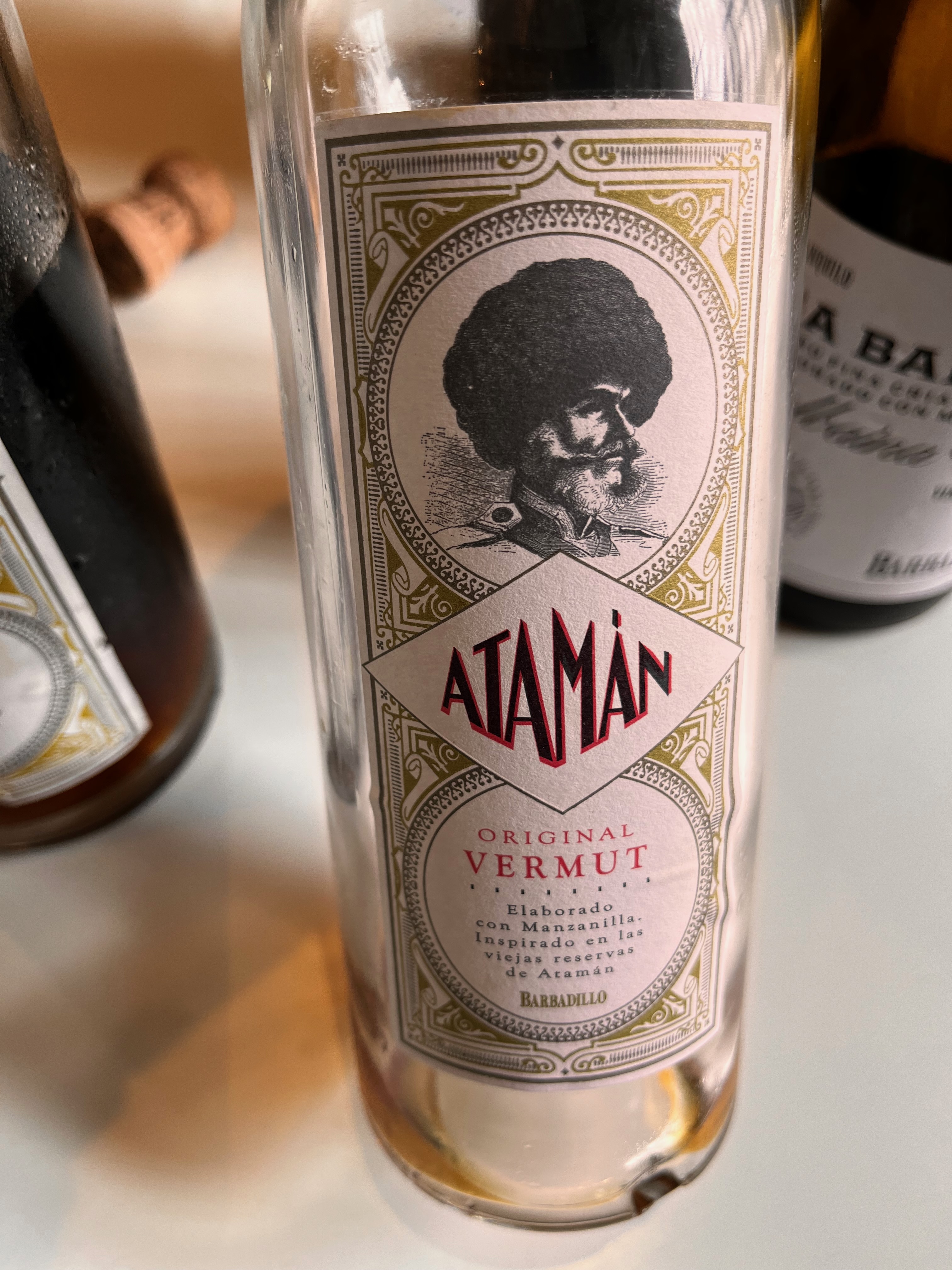
Ataman Vermouth
Manzanilla with a little Oloroso. Beautiful nose. Fucking gorgeous. Gorgeous.

*Discloure: I work in a wine shop and the visit was arranged via the distributor Skurnik Wines.

Monday Tasting Notes*

.

Sherry divides drinkers. Some like sherry, and some don’t. The problem is that sherry is not just one thing. It is a multitude. A multitude of styles, flavors, price ranges.

I arranged a visit to the cellars of Lustau via industry contacts. Is it different to taste wines in situ? Absolutely. Jerez is worthy of a longer visit than the usual recommendation of a stopover.

Here are some notes from the visit to Lustau, which has long been known for its range of sherries.

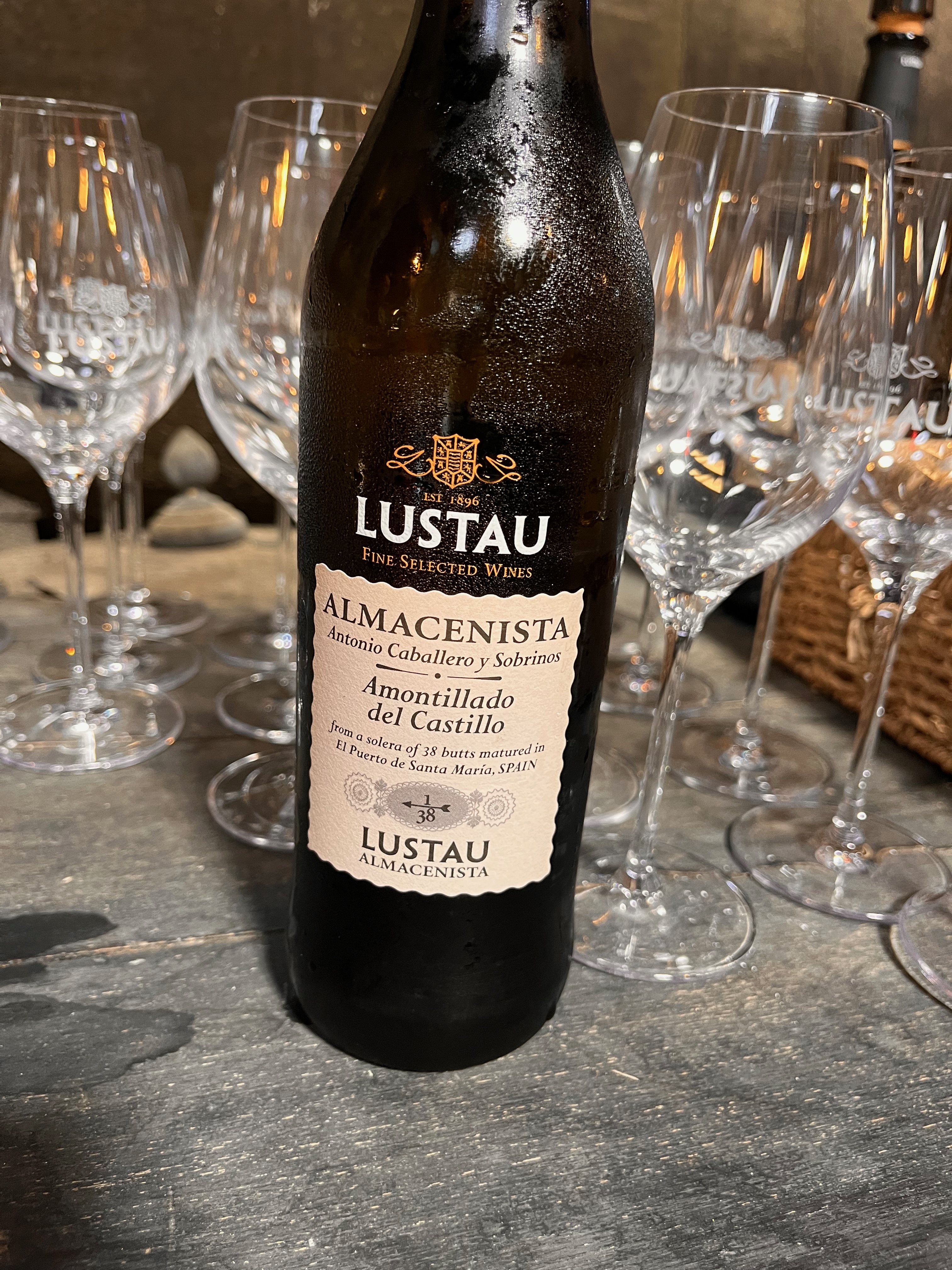
Almacenista Amontillado
Aromas of nuts; brown. Super high acidity, caramel nose. Mixed nuts finish and then salty. Aged in Puerto de Santa Maria about 15 years old

Manzanilla Papirusa Sanlucar
Clean fresh on palate. Really beautiful. The aroma is so different from the mouthfeel but on the palate really delicious. Really lovely.

Fino Jerez Jarana
Slightly nuttier nose. Richer mouthfeel. Lower acidity?

Fino del Puerto
More salinity on the nose but with a touch of the nuttiness.

VORS Palo Cortado 30 Years Old
Beautiful color. Subtle aroma. Beautiful mouthfeel. High acidity. Clean dry dry roasted nuts (mixes)

Emperatriz Eugenia Oloroso
Aromatic nutty nose. Very dry, high acidity. Spicy finish. Temperature cold.

VORS Moscatel 30 Years Old
Very sweet. Some acidity on the finish which becomes more pronounced on the finish. Not my favorite but appreciate. Very heavy. Rich.

Vermouth-Red
Amontillado and PX and Moscatel. Wormwood, gentian, orange. Delicious. Also vermouth was pretty much everywhere we went and it became our daily afternoon drink.

Interesting things told to us:

  1. Sand floors. Watered once a week, 2-3 times during the summer
  2. Over 17% alcohol yeast will die
  3. Bottling is done from the bottom
  4. Age of Fino-2 years per DO (Denominacion de Origen)

*I write tasting notes in blurbs and rarely in complete sentences. What comes to my mind is what I write.