UC Davis Wine Library

When I returned from the Wine Writers’ Symposium in 2024, I was energized. I had learned so much, met so many incredible people, and tasted/drank wine that I will probably never taste again.
What has stayed with me, and is part of what I focused on in my application to the Wine Writers’ Symposium, is the archive. What is the archive? It is the repository of information. Yes, there will be people who will tell me the definition of an archive is broader than that, but I am not a formal academic. I am here to share information I have discovered about archives and the fascination and respect I have for all those who work in the field.
Slips of paper like receipts, magazines like Noble Rot, books like Thomas Pinney’s masterful work on American wine, menus from cruise ships, maps published by fire departments, and so much more reside within the archive. The archive is physical and digital, and accessibility has never been better. More and more materials are being made available digitally and thus saving you time and money (not to mention the ability to zoom in on an object)
I know that many wine writers are focused on the here and now. And the thing is? Why not. The here and now is so tangible that we hardly see it as history in the making. One day, someone will look at the wines that sold, the marketing materials produced, and how winemakers dealt with climate change, and they will want to know how it all happened. The answer will be in the archive. Yet there will be things that are not in the archive. We should interview people about the wine business. I can tell you about the allocations of Sassicaia and Cristal. I can tell you about driving wine into Manhattan and backing up my boss’s SUV into the loading dock at The Four Seasons. I can tell you about how important Alize was and the supplier who called for his numbers every single day.
There is history, and there is the archive. There are stories in the archive that need to be told. But stories in the archive do not appear whole…they exist as puzzle pieces. History is synthesized from the archive. The items we find in the archive may stand alone in one archive, but combined with items in another, they combine to tell a story. It isn’t easy to put things together, but writers hang on to pieces and mull them over in their heads. Eventually we wonder and ask the “what if” or “how did x happen?”
Wine is a commodity just like sugar, tea, and chocolate. Wine tells a story of the world. How it is produced, promoted, and who uses it can be a story shaped by many factors—politics, war, culture, etc.
Although I love history, I wasn’t sure that history as a discipline was the place where I wanted to think about wine completely. I decided to look at anthropology because I thought it might offer, if not another lens, then another method of examining something that has become such a major part of my life.
I did not see wine as a career. Wine wasn’t really even a part of my life. I grew up with Anis del Mono, Cinzano Sweet Vermouth, and Manischewitz Concord Grape. How those products ended up in my life was probably not an accident. Drinking sherry in college was also no accident and a leftover from the British university system.
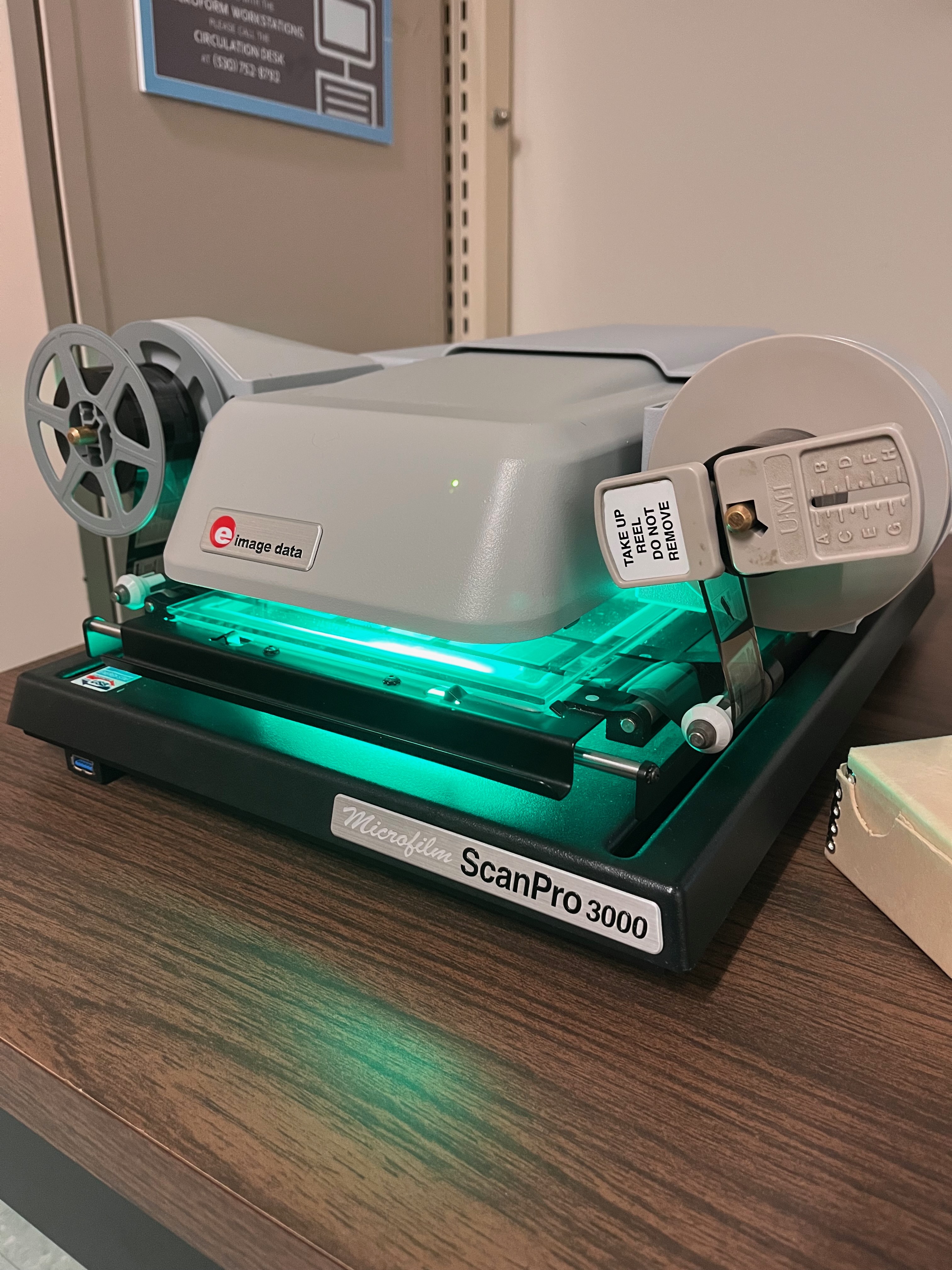
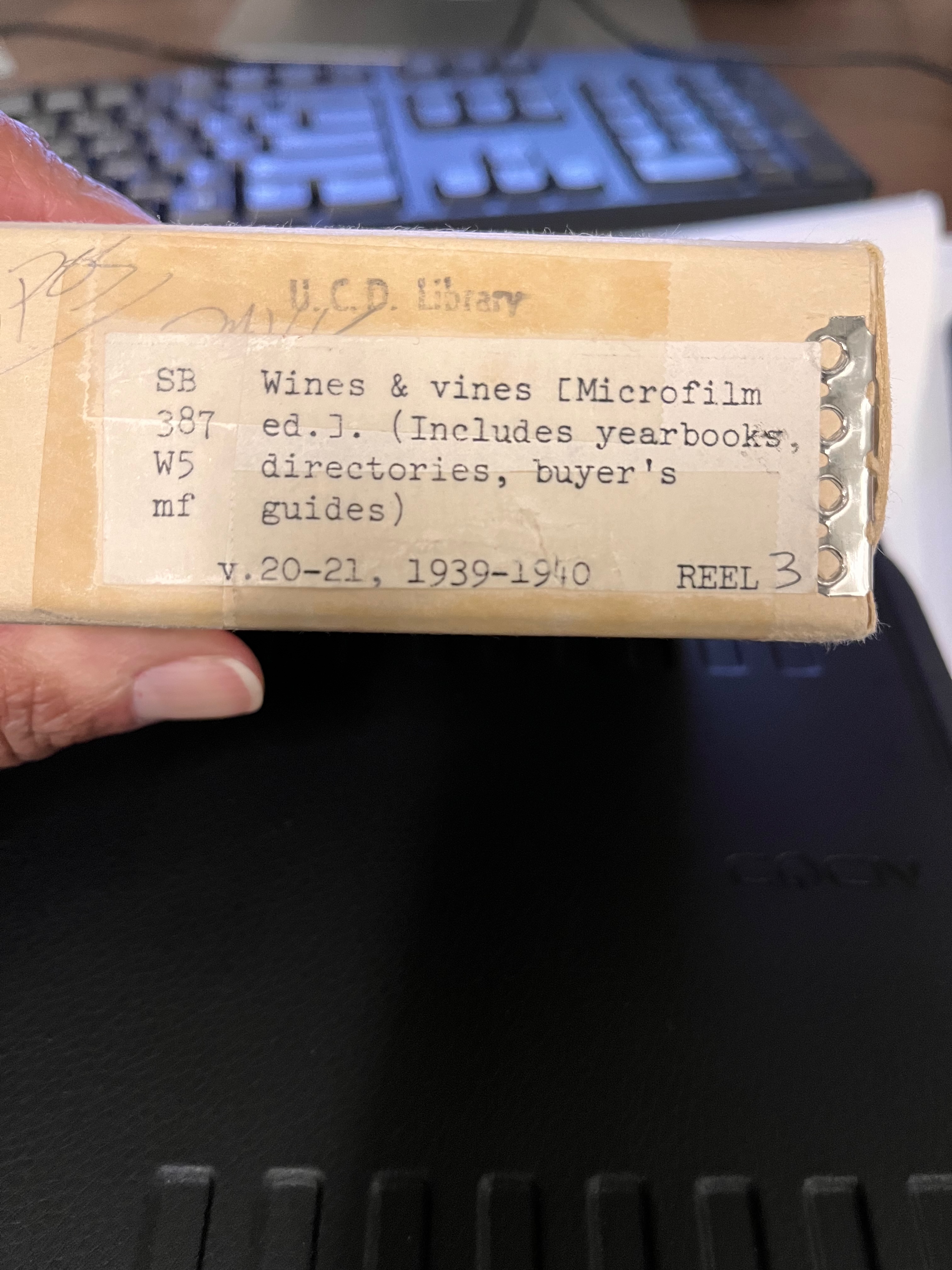
The archive is an underutilized resource in wine writing. At the Wine Writers’ Symposium, the great emeritus librarian from UCDavis, Alex Borg, was the last speaker. The wine library at UCDavis is extensive in its collection, especially if you are writing about California wine, but it goes deeper than that. There are old magazines available on microfilm and quite a few writers have bequeathed their professional papers to the library.
I have been researching possible topics in the archive, and there is so much I have learned along the way; I want to share some of the methods and resources I have found. I am not a historian or an academic in the strict sense, but I am definitely a researcher. I’ve yet to find a library that would not help me, and the librarians I have encountered have often gone above and beyond what I have requested. The same goes for other resources like private organizations that might have information about something I want to learn more about.
The UC Davis Wine Library is an excellent source for both current and archived materials. You do not have to be affiliated with the university. I have yet to run into a situation where I need academic affiliation to do research. The library has an extensive collection of wine-related publications that are not books, and if you are like me, you will need more time in the stacks than you imagined. Some resources are available online, and others are available only to university members.
Wine and spirits are history. Wine and spirits are anthropology. Wine and spirits are political. Wine and spirits are not neutral, and the archive will show you that.
- Only pencils–no pens.
- Sometimes only paper that they provide.
- Sometimes you gotta put your stuff in a locker.
- An Ipad is really good for taking photos.


Leave a comment